The 2025 Nio Firefly isn’t just another small EV it blends smart design, playful handling, and impressive range to prove that compact electric cars can still feel exciting and premium.
✨
News summary created by AI · Reviewed by Daily Axle
Tiny car. Big dream. The 2025 Nio Firefly shows up like it has something to prove. You look at it once and you kinda smile. It’s short, tight, and a bit bold for its size. You open the door and it lights up like it knows you’ve been waiting. Inside feels calm but alive. There’s a vibe of purpose, a whisper of fun. Nio says it’s built for the city, but it feels more than that. Like a hint of rebellion in a tiny body. Data Pulse: 30 percent stiffer than Tesla Model 3, that’s serious. It’s small but it’s no toy.
Key Highlights
Feature
Detail
Powertrain
Single motor, front-wheel drive
Battery
50 kWh lithium-ion
Range
Around 400 km (claimed)
Fast Charging
10% to 80% in 28 minutes
Platform
Nio Global Compact Platform
Target Market
Europe, Asia
Expected Price
Around $25,000 (global estimate)
Release Window
Mid 2025
Exterior Design, Colors & Visual Changes
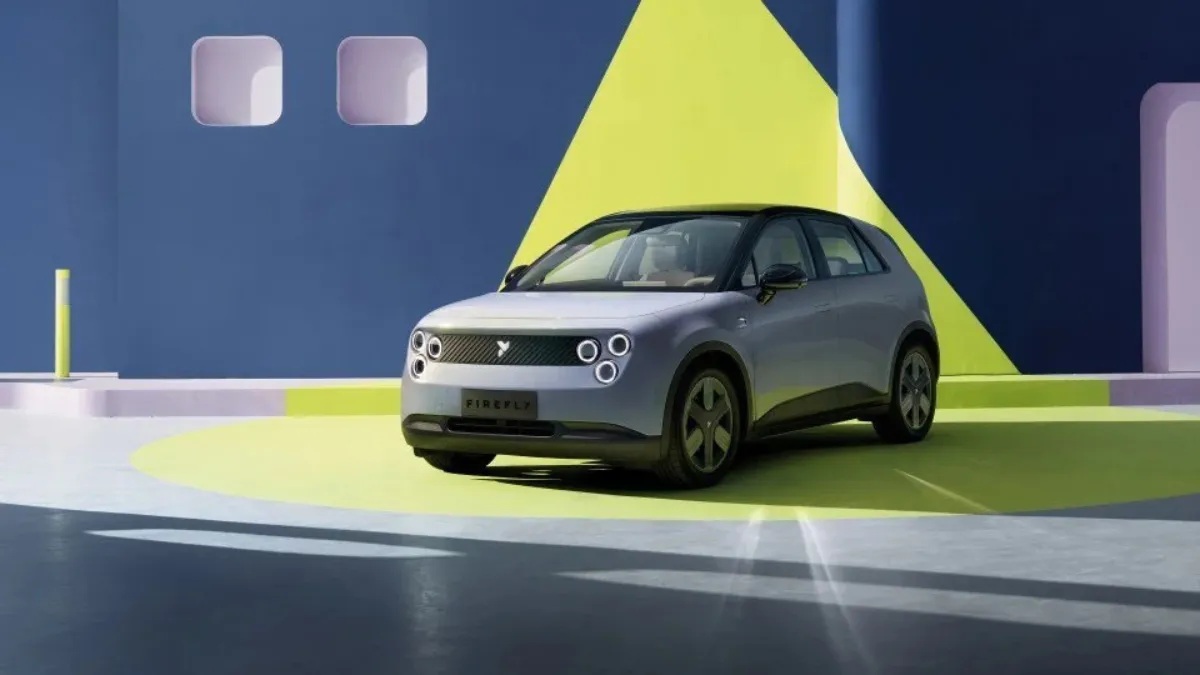
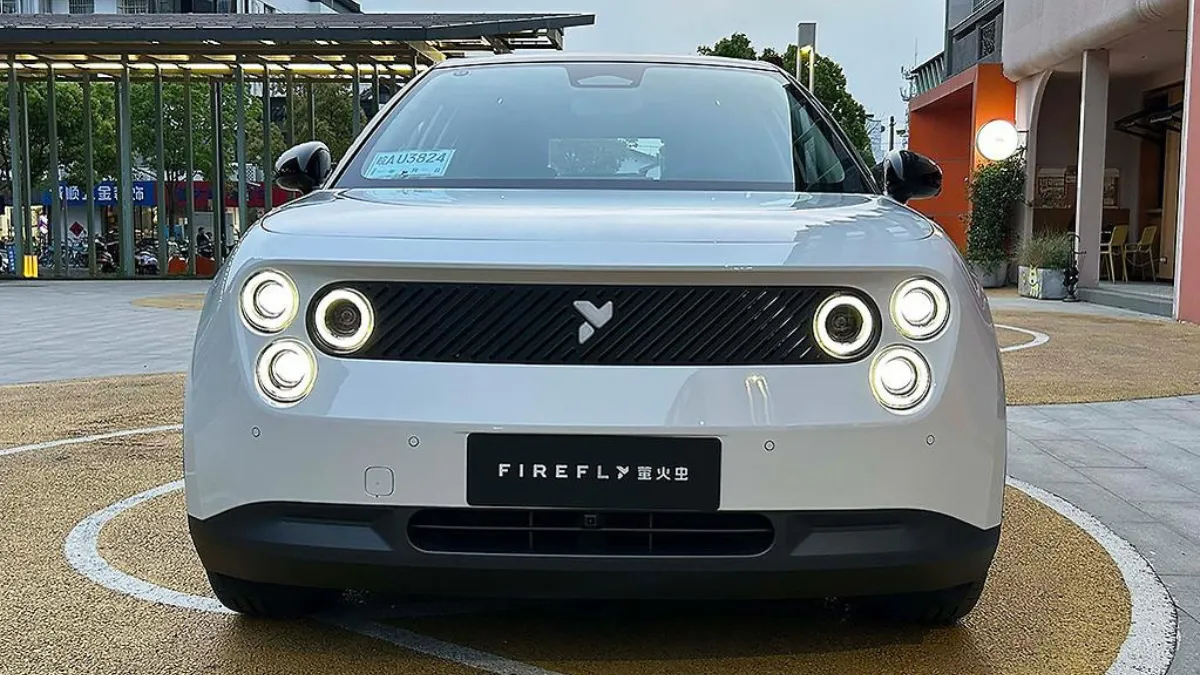
The Firefly doesn’t just roll up. It arrives. That’s the first thought when you see it parked. A stubby nose, stretched lights, and that confident stance. The rear wheel drive shape gives it a proper sporty line. The designers wanted it to feel smart but playful. They nailed it, mostly. Some might call it weird. Maybe they’re right. But weird stands out, doesn’t it? Colors are cheerful, not dull silver tones but shades that pop on city streets. Roof contrast adds that small car attitude. The headlights look alive at night, thin like eyes watching the traffic. It’s cute and tough at the same time. You can tell they built this one to make you notice even when you don’t plan to.
File Photo: NIO Firefly 2025 front view — sleek LED signature lights and an aerodynamic nose highlight its futuristic EV design.
Powertrain, Range & Real World Performance
Pop the specs and it looks simple. One motor at the back, 42 kilowatt hour battery. That’s it. But when you press the pedal, it wakes up quick. Rear wheel push gives that lively kick when you least expect it. Feels eager. Not crazy fast, but honest fun. Zero to sixty two comes in a bit over eight seconds. Sounds average, feels quicker. In traffic it darts, corners neat, and turns sharper than you’d guess. Suspension tuned well, you feel the firmness but not the pain. Range? About 330 kilometers if you go easy. Less if you drive wild. Charging takes around half an hour for eighty percent. Simple and decent. You won’t win any range contests, but that’s not the point. This one’s for people who just drive because they like to, not to show graphs.
Safety Features, Platform & Driving Dynamics
You sit low and you feel it right away. The body’s stiff, that’s what makes it feel planted. There’s a solid grip when you take corners, no shaky moves. The frame itself is tougher than some bigger sedans. Nine airbags inside, level two assist, the usual tech bits. Auto park is neat but sometimes a little too cautious. It warns too early, like a friend who worries too much. Steering feels light but direct. Ride is firm, a bit bouncy on bad roads but never annoying. The car stays calm even at higher speeds, though you’ll hear some wind sneaking in. That’s fine. You forget that when you see how it holds the lane without drama. Small car, confident heart.
Interior & Features
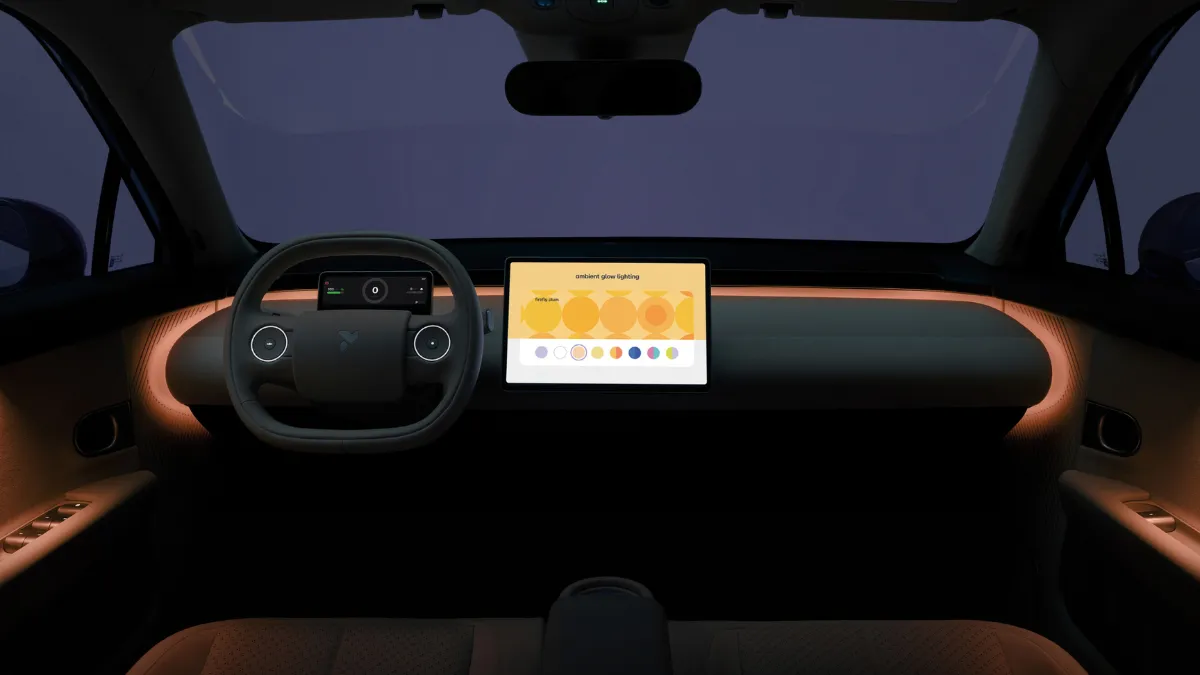
Inside feels more premium than the price hints. The materials look soft, even the plastics feel warmer. You touch the dash and it doesn’t sound hollow. The seats hug just right. There’s a big 13 inch screen in the middle that runs everything, maybe too much. Climate, media, lights, all digital. Two finger swipe to turn music up, feels futuristic but sometimes annoying while driving. Space is okay for four, tight for five. Storage spots are clever, like under the seat bins and a small frunk up front. Cabin lighting glows softly at night, almost cozy. You forget it’s a budget EV for a bit. That’s smart design, that’s emotion done right.
File Photo: Inside the NIO Firefly 2025 — minimalist dashboard, ambient lighting, and next-gen digital cockpit built for comfort and innovation.
Variants, Expected Price & Launch Timeline in India
Right now there’s just one setup. Rear drive, 42 kilowatt hour battery. Base price around seventeen thousand dollars in China. For Europe, maybe thirty thousand euros. Still cheaper than a Mini Electric or Renault 5. No India launch yet, though whispers say late 2025 or early 2026. If it comes, price will shoot up due to duties. It’ll still be an eye catcher, no doubt. Nio knows markets are watching this move closely. Because Firefly could be their global entry ticket. That’s the gamble and it looks worth taking.
Rivals, Market Competition & Brand Strategy
Competition is heating up. Renault 5, Mini Electric, Fiat 500e, all playing in the same pool. Firefly stands apart because of its character. It’s not trying too hard to be premium. It just is, quietly. Nio wants younger buyers. City people who care about style and tech but don’t want a heavy SUV. Smart move. The battery swap idea might come later which could change the game. But for now, it’s about emotions, not infrastructure. In markets like Europe it might click fast. In others, it’ll take patience. Brand building is slow but Firefly is a bold start.
Expert Opinion / Conclusion
After spending time with it, you kinda get it. The Nio Firefly isn’t chasing numbers. It’s chasing a feeling. Feels alive, not robotic. It’s the kind of car that grows on you. Small mistakes here and there, sure. But that’s what gives it soul. Perfectly imperfect. It won’t replace your long range EV, but it’ll make your short drives happier. For city runs, quick hops, evening drives, it’s spot on. Should you wait for it? If it’s coming to your market soon, yes maybe wait. If not, there are decent alternatives. But they won’t have this vibe. Firefly brings something rare in small cars. Charm.