

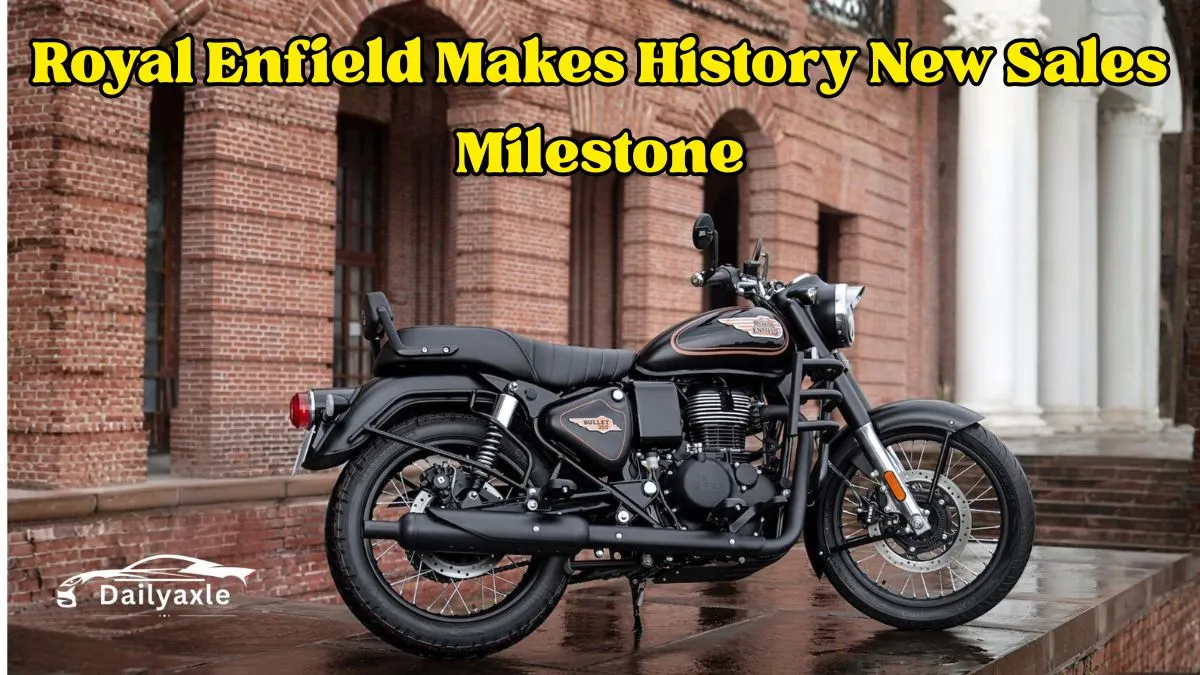
In a month when most manufacturers breathe easier, Royal Enfield roared ahead and smashed previous benchmarks. The latest data shows that Royal Enfield record September sales numbers are higher than ever before—marking a milestone in the brand’s journey. As someone who has watched the two-wheeler industry for over ten years, I can tell you: this is not just a sales number. It reflects shifts in buyer behaviour, supply efficiencies, and brand strength that many in the industry will study. In this article, I break down the reasons, the trends, and what this record has for riders, dealers, and competitors alike.
Related News

Context Why the September Results Matter More Than Just a Number
September is typically a transitional month festivals are around the corner, new models may debut, and markets are cautious. But when a brand outsells expectations in such a month, it sends a message. The Royal Enfield record September sales is not just about a figure. It indicates momentum. It shows that customers are confident, waiting lists are being met, and the brand’s appeal continues to grow even in competitive times.
Breaking Down the Numbers How Big Is the Record?
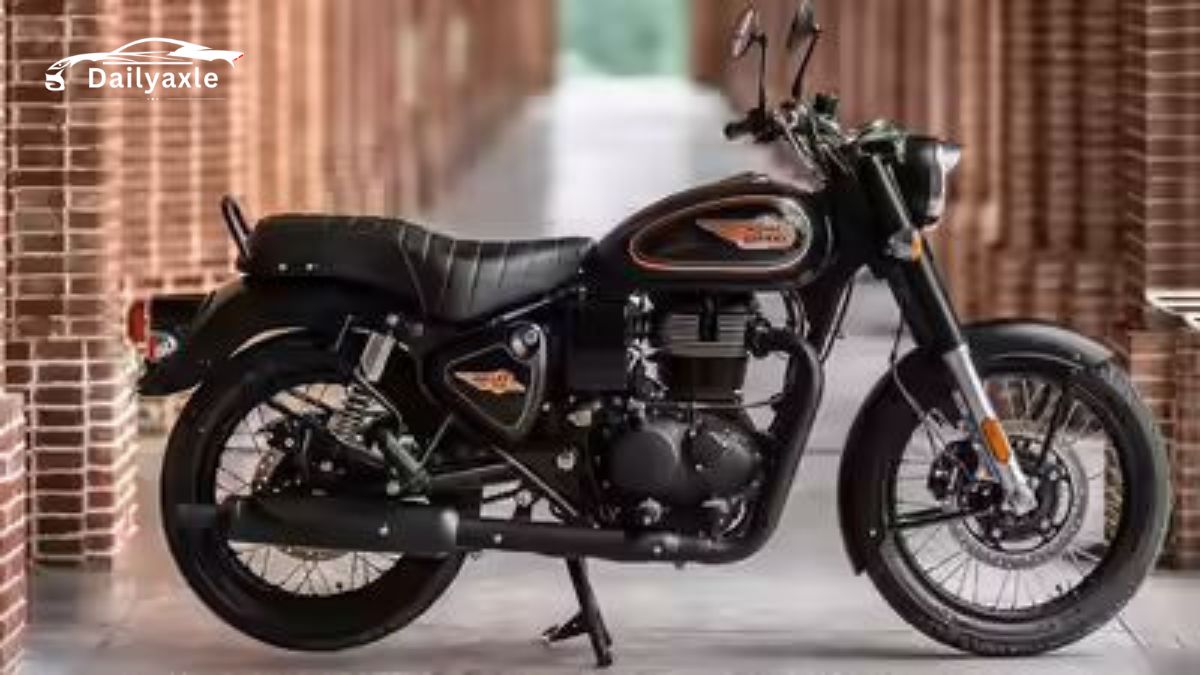
According to company disclosures and trader feedback, Royal Enfield sold a significantly higher number of bikes in September compared to the same month last year. The year-on-year growth percentage is striking. More impressively, month-on-month growth also shows that even after a good August, demand did not slack. This consistency is one of the signals of a brand in strength mode. In many cities, dealers say that key models like the Classic, Meteor, and the newer Hunter variants are topping order charts. For many of those dealers, achieving ever-higher inventory turnover was a challenge but that challenge is being met now.
Key Reasons Behind the Surge in Royal Enfield Sales in September
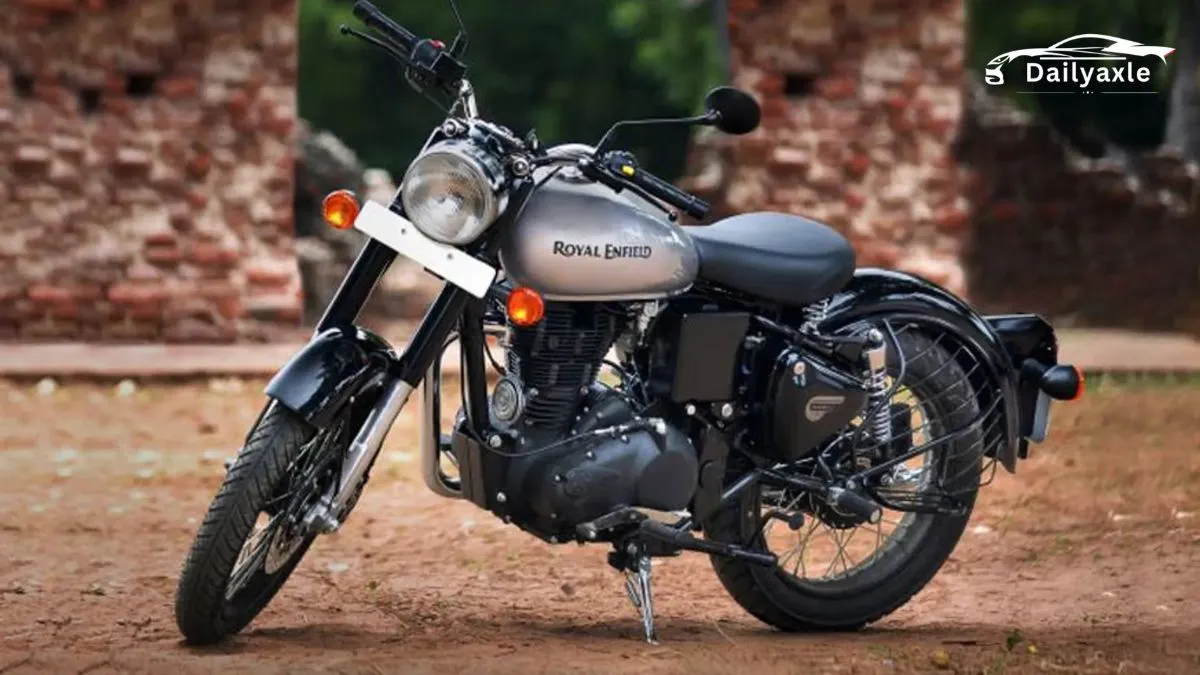
First, product mix matters. Royal Enfield has been refreshing its lineup, introducing new colours, feature upgrades, and variants that appeal to younger buyers and media-forward riders. That brings first-time buyers and also upgrades from existing customers. Second, supply chain improvements have minimized waiting periods in many regions. When you walk into a showroom and the bike you want is available, you buy. Third, pricing adjustments and campaign offers in certain markets have made the deal sweeter. Dealers confirm that festival offers and exchange bonuses helped push sales in semi-urban and tier-2 towns.
A fourth factor is brand loyalty. Many Royal Enfield owners iterate to newer models or recommend to friends. Word-of-mouth still counts heavily in India. The resonance of riding heritage, club circuits, group rides, and social media communities further amplify the brand pull. Finally, rising fuel costs and the premium petrol/diesel hike make people lean toward bikes that combine everyday utility with aspirational appeal—and Royal Enfield bridges that gap better than many.
What This Record Means for Dealers, the Supply Chain, and What’s Next
For dealers, this has been a real confidence booster. All the effort they've put into engaging with customers, offering test rides, improving service, and training their teams is clearly making a difference. Some are even seeing bookings being made months in advance. On the supply chain side, it’s a sign that the system is holding strong parts are arriving on time, vendors are delivering, and logistics are managing the extra load without falling apart.
But with great demand also come expectations customers will expect consistency, service support, and holding quality. The brand now has to match the sales record with service record.
Check this link also : 2025 Mahindra Bolero : launch, price, features, design and performance review
How Buyers and Riders Are Responding to the New Highs
On the ground, riders tell me they are happier seeing more showroom stock and shorter waits. For someone who recently ordered a Hunter or Meteor, the wait reduced from months to weeks in many areas. Some users say that accessories, official gear, and custom parts are being stocked better now. That is a sign that ancillary revenue streams are also benefiting from the surge.
For enthusiasts who ride in groups, the buzz is strong. Social media and ride clubs are sharing “I got mine this September” stories. These small peer stories add to the momentum. For new buyers, seeing so many on-road Royal Enfields gives confidence that the brand is stable and future support will exist.

Possible Risks and Things to Watch Despite the Celebration
Even in record months, not all is smooth. One risk is that demand overtakes supply too quickly, making waiting times long again frustrating potential buyers. That can lead to cancellations or shifting interest to other brands. Another risk is aftersales support if service quality dips or parts get delayed, the goodwill from high sales can suffer.
Also, competitors will watch and react. Some rival brands may launch counter offers, upgrade their lineups, or drop prices in selective markets to poach demand. Royal Enfield needs to stay agile. Moreover, rising input costs, regulatory changes (emissions, safety norms), and raw material inflation could squeeze margins even if volumes are high. The true test is whether profits can scale, not just volume.
Looking Ahead Will October and Beyond Keep the Momentum?
The big question now is can Royal Enfield record September sales translate into sustained growth in October, November, and beyond? My expectation, based on dealer feedback and order trends, is a cautious yes. Festival demand, new model rollouts, and positive reviews are tailwinds. But the brand will need to maintain stock availability, strong marketing, and service confidence.
If the upcoming months show consistent or even improved numbers, Royal Enfield may set a new baseline for what “normal performance” looks like for premium two-wheelers in India. That would be a significant shift in industry perception.